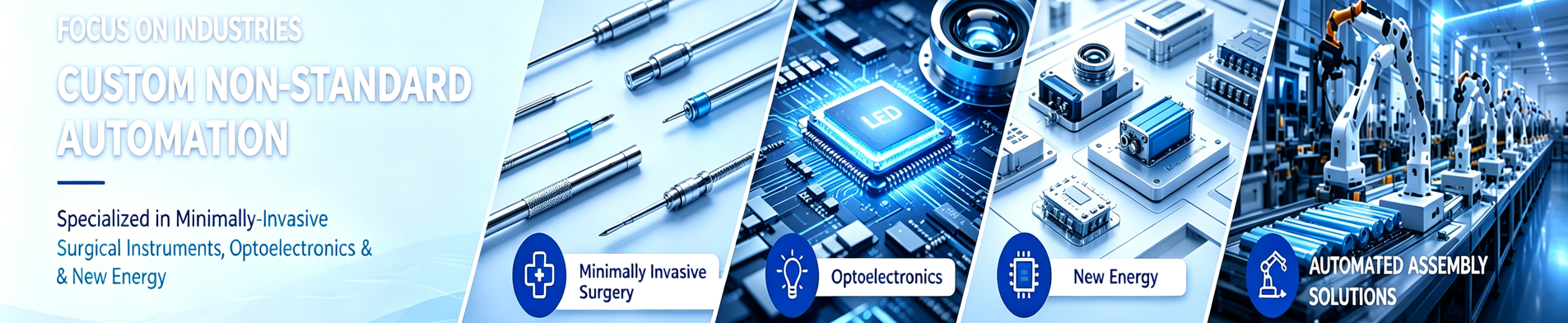
Many small and medium-sized manufacturers of minimally invasive surgical instruments face a common dilemma: limited workshop space and constrained budgets. They need to ensure smooth production flow while accommodating assembly, testing and packaging processes for high-precision disposable consumables, as well as reserving room for automated upgrades in the future.
Quite a number of enterprises rent workshops first and purchase equipment later. After the workshop is fully filled with machines, problems emerge constantly: repeated material handling, crossed pedestrian and material routes, unreasonable layouts for clean zones. When they intend to introduce integrated automated production lines later, there is no space for reconstruction, resulting in extremely high renovation costs.
...