For medical device manufacturers undergoing technical upgrades and capacity expansion, delivery lead time, rather than equipment procurement cost, is the core factor determining production line launch and order fulfillment.
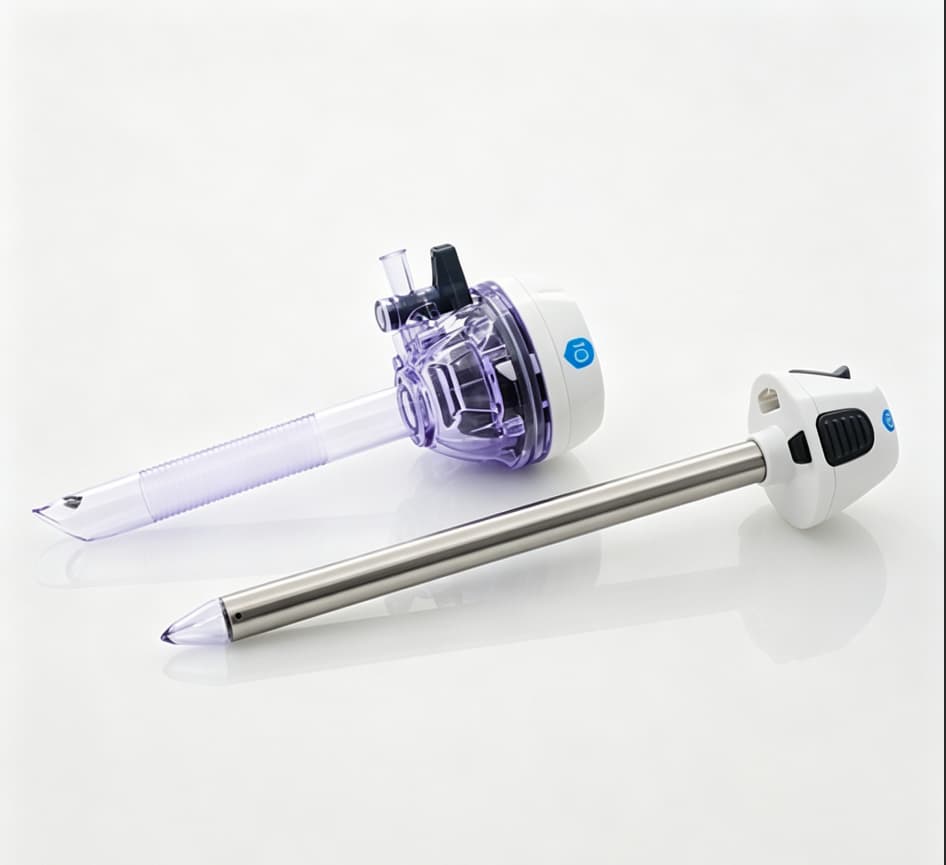
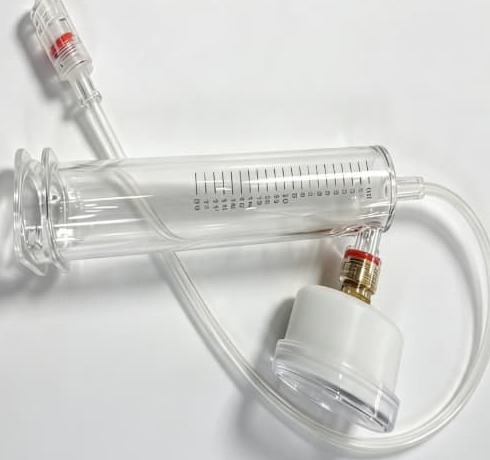
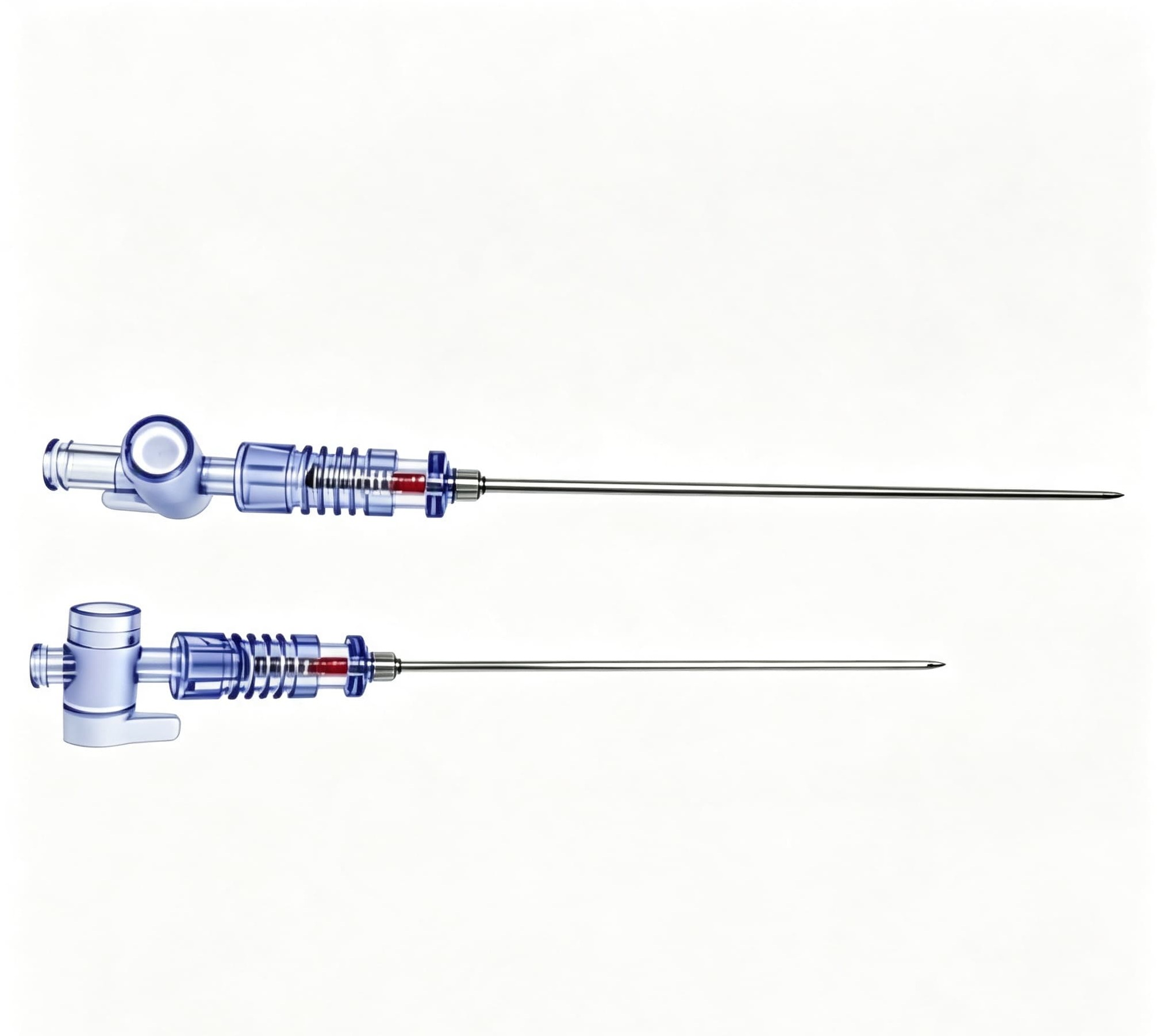
Capacity planning for medical consumables, especially minimally invasive devices, requires months of advance preparation. Almost all factory clients ask the same core question during consultations: what is the total lead time for custom non-standard automated assembly and testing equipment for minimally invasive consumables such as trocars, ligation clips, introducer sheaths, pneumoperitoneum needles, and pressure pumps?
Unlike standard off-the-shelf automation equipment, custom medical automation solutions have no ready stock for immediate delivery. Tailored for micro-precision components, cleanroom production environments, high-precision assembly, and strict full-process quality control in the medical industry, non-standard medical equipment has no fixed delivery timeline but follows mature, standardized cycle ranges widely adopted across the sector.
This article fully breaks down the tiered delivery cycles, step-by-step process durations, and key influencing factors of custom non-standard medical automation equipment. It also shares practical guidelines for fast
1. Core Conclusion: 3 Standardized Customization Cycles (Covers 95% of Minimally Invasive Device Projects)
Based on process complexity, automation level, and system integration difficulty of minimally invasive medical devices, the industry classifies non-standard custom equipment into three timeline tiers to fit technical renovation and capacity expansion demands of different factories:
Single-Station Simple Equipment | 30–45 Days
Ideal for lightweight technical upgrades, this equipment suits single-process, structurally simple operations without multi-mechanical linkage. Typical applications include single-item precision testing, adhesive positioning, single-process assembly, and pressure resistance testing. Featuring fewer components, low debugging difficulty, and simple program logic, it delivers the fastest turnaround and effectively replaces manual work for standalone production steps.
Multi-Station Precision Standalone Equipment | 45–90 Days (Industry Mainstream)
Most automated standalone equipment for minimally invasive consumables falls into this category. It applies to semi-automatic trocar assembly, integral ligation clip assembly, small component pressing, precision part bonding, and other core processes. Integrated with automatic feeding, precise positioning, automated assembly, inline testing, and automatic discharging functions, it balances production capacity and precision, serving as the primary choice for single-point capacity upgrades for small and medium-sized medical device factories.
Full-Automatic Turnkey Production Line | 90–180 Days
Designed for multi-process integrated and multi-device linked production systems, this turnkey solution supports full-process manufacturing of trocars, pressure pumps, and other complex consumables. Equipped with high-precision vision inspection, closed-loop process linkage, production data traceability, and workshop line docking functions, it features complex system architecture, strict cleanroom compliance, and ultra-high debugging precision, requiring extended cycles for R&D, assembly, and calibration.
2. Full Process Cycle Breakdown | Transparent Timeline for Every Step
Custom non-standard medical equipment development is a complete closed-loop workflow. Every phase from requirement confirmation to on-site production directly determines the final delivery time, with full traceability:
Requirement Survey & Solution Finalization | 7–15 Days (Core Pre-Sale Phase)
We conduct in-depth communication to confirm core production requirements, collecting product drawings, component parameters, process standards, capacity targets, cleanroom classification, and workshop layout data. Custom solutions are developed in compliance with medical manufacturing specifications, clarifying equipment structure, machining precision, production efficiency, and dimensional parameters. Final solution approval eliminates design revisions and rework delays in later stages.
Mechanical & Electrical Precision Design | 30–45 Days
After solution confirmation, our R&D team completes full-cycle development, including 3D structural modeling, 2D component drafting, complete BOM compilation, and electrical program framework construction. Targeting the pain points of tiny, scratch-prone medical components with ultra-tight assembly tolerances, we optimize structural design to avoid jamming, assembly deviation, and component damage, ensuring long-term equipment stability.
Component Procurement & Precision Machining | 10–25 Days
All core components adopt medical-grade, high-precision materials and accessories that meet cleanroom standards. Specialized precision parts require customized sourcing. Meanwhile, we complete precision machining of equipment frames, custom jigs, and fixtures, fully complying with medical industry safety, cleanliness, and high-precision mandatory standards.
Machine Assembly & Program Debugging | 20–40 Days (Key Time-Consuming Phase)
This phase covers complete mechanical assembly, circuit and pneumatic layout docking, and automated program development and debugging. Multiple no-load trials, material test runs, and precision calibrations are performed to optimize operation rhythm and testing parameters. In strict adherence to the medical industry’s high yield rate requirements, we refine equipment stability and control defect rates to meet mass production demands.
Comprehensive Testing & FAT Approval | 3–7 Days
After preliminary debugging, we conduct long-duration continuous operation tests, batch trial production, and secondary precision verification to validate equipment capacity, yield rate, and operational stability. Test videos, detailed inspection reports, and official equipment manuals are delivered to support online or on-site Factory Acceptance Testing (FAT) by clients.
On-Site Installation, Training & SAT Approval | 7–15 Days
After equipment packaging and delivery, professional engineers complete on-site installation, commissioning, and production line docking. We provide comprehensive operational training for client operators, maintenance staff, and process engineers, covering equipment operation, parameter adjustment, daily maintenance, and troubleshooting. The equipment achieves stable mass production immediately after Site Acceptance Testing (SAT) completion.
3. Key Causes of Cycle Differences | Why Delivery Times Vary for Similar Equipment
Many clients wonder why identical-looking assembly equipment has vastly different delivery cycles. Four decisive factors account for the gap:
Product Process Complexity
Simple single-process pressing and assembly equipment has shorter lead times. Composite equipment integrated with full vision inspection, precision dispensing, ultrasonic welding, multi-process linkage, and high-precision dimensional screening requires far more complex debugging, leading to extended cycles.
Automation Configuration Level
Semi-automatic equipment with manual auxiliary feeding features simple structure and fast debugging for faster delivery. High-end fully automated systems with automatic loading/unloading, defective product sorting, unattended operation, and full data traceability require extensive R&D and debugging work, resulting in longer lead times.
Solution Modification Frequency
Any adjustment to product processes, equipment functions, or precision parameters after solution freezing will trigger full-process rework in design, machining, and debugging, significantly delaying delivery. Full requirement alignment in the early stage and stable solution confirmation are critical for on-time delivery.
Standard accessories are in stock with fast procurement cycles. Medical-grade special materials, imported high-precision components, and custom jigs require dedicated customization and sourcing, moderately extending the overall project timeline.
Supply Chain Lead Time
4. Factory Capacity Expansion Optimization Guide | 3 Tips to Shorten Customization Cycles
Tailored for medical device manufacturers’ capacity planning, these three practical strategies effectively avoid technical renovation and expansion delays:
Advance Project Initiation
Equipment scheduling becomes tight in peak production seasons. It is recommended to launch technical upgrade and expansion plans 2–3 months in advance to reserve sufficient buffer time for design, production, and debugging.
Prepare Complete Pre-Project Documents
Pre-organize product samples, 2D/3D drawings, standard operating procedures (SOPs), capacity requirements, and workshop parameters. This minimizes repeated communication and alignment, accelerating project kickoff and implementation.
Minimize Post-Confirmation Revisions
Non-standard equipment development is a customized R&D and manufacturing process. Any mid-project modification causes cascading rework. Maintaining a fixed confirmed solution maximizes delivery efficiency.
5. FAQs | Industry Most Frequent Questions
We answer top questions regarding cycle time, compliance, on-site deployment, and project planning to resolve manufacturers’ core concerns:
Q1: Why can’t non-standard medical equipment be delivered as off-the-shelf stock?
Non-standard medical consumables equipment is exclusively customized for micro-precision components, cleanroom environments, and strict medical quality standards. No universal stock is available, as each device must match unique product dimensions, assembly tolerances, and testing processes. It also requires full compliance with ISO 13485 medical regulations and cleanroom specifications, involving customized structural design, precision machining, and compliance debugging that cannot be standardized for mass production.
Q2: How much delay will minor mid-project process adjustments cause?
Minor parameter tweaks (e.g., production tact time, routine testing thresholds) after solution freezing usually cause a 3–7 day delay. Core modifications including structural changes, process additions/removals, and new vision inspection or welding functions require re-design, re-machining, and re-debugging, leading to 7–30 days of delay. Complex turnkey lines require even longer adjustment cycles. Early full requirement locking is highly recommended.
Q3: What pre-project preparations best shorten delivery cycles?
First, prepare complete 2D/3D product drawings, physical samples, process SOPs, capacity targets, cleanroom classification, and workshop layout dimensions. Second, clarify automation level (semi/full-automatic), testing standards, and data traceability requirements. Third, confirm project scheduling in advance to avoid peak-season backlogs. These preparations can shorten the overall cycle by 10–25 days.
Q4: How long does on-site installation and production take? Will it disrupt existing production?
Standard standalone equipment takes 7–10 days for full on-site deployment; turnkey production lines take 10–15 days, covering installation, commissioning, trial production, training, and SAT approval. Our engineering team arranges deployment during factory maintenance or renovation windows to ensure seamless production line docking, minimizing capacity downtime and avoiding disruption to order delivery.
Q5: Does custom medical equipment meet cleanroom compliance? Is additional rectification required?
Professionally customized equipment is fully designed and manufactured per medical cleanroom standards. Frames, jigs, and product-contact components adopt medical-grade stainless steel and dust-proof, anti-static materials, with circuits and pneumatic systems compatible with Class 10,000 / Class 100,000 cleanrooms. No additional rectification is needed for compliance audits. Complete compliance documents and test reports are provided to support medical facility inspections.
Q6: Why do delivery cycles differ greatly between suppliers for identical equipment?
Three core gaps differentiate supplier lead times: 1) Modular technical reserves — suppliers with mature medical equipment module libraries eliminate basic design cycles for faster delivery; 2) Supply chain capability — in-stock medical-grade precision components avoid long customized procurement lead times; 3) Industry debugging experience — teams specialized in minimally invasive devices quickly resolve jamming and low-yield issues to reduce repeated debugging cycles.
Q7: What are the two equipment acceptance stages and evaluation criteria?
Medical non-standard equipment adopts dual-stage acceptance: 1) FAT (Factory Acceptance Testing): Completed at the supplier’s factory via continuous operation verification, batch trial production, and precision calibration to confirm capacity, yield rate, and stability compliance; 2) SAT (Site Acceptance Testing): Conducted on-site after installation, including production line docking, operational trial runs, and staff training to verify adaptability to on-site production conditions. All evaluations strictly follow confirmed solution parameters and medical process standards.
Q8: Can simple-process equipment be expedited? What is the fastest delivery timeline?
Expedited delivery is available. Single-station simple testing and pressing equipment can be delivered in 20–30 days; standard multi-station standalone equipment can be completed in 35–60 days. We accelerate projects via priority scheduling, mature module reuse, urgent component procurement, and overtime debugging, ideal for urgent short-term capacity supplementation and technical upgrades.
Q9: Can custom equipment be upgraded or adapted for new products later?
Yes. Formal medical non-standard equipment is designed with flexible upgrade reserves, supporting later process fine-tuning, capacity improvement, additional testing functions, and adaptation for similar product production. Retrofit upgrades require shorter cycles and lower costs than new custom equipment, supporting long-term product iteration and capacity expansion.
Q10: What after-sales services are included? Will maintenance affect mass production?
Standard after-sales support includes free on-site training, full warranty maintenance, rapid fault response, remote debugging, and professional technical consultation, paired with complete operation, maintenance, and troubleshooting manuals. Our responsive after-sales team resolves operational issues efficiently without disrupting batch production, ensuring long-term stable line operation.
Conclusion
While custom non-standard automation equipment for medical consumables has no fixed delivery date, it follows clear, industry-standard cycle ranges. Accurate cycle control and scientific project scheduling help medical device manufacturers avoid capacity gaps, complete efficient production line upgrades and capacity expansion, and seize market opportunities.
If you have specific minimally invasive consumable products, process requirements, or capacity plans, feel free to contact us. We provide free customized solution evaluation, precise cycle estimation, and tailored quotations, with full-process project tracking to accelerate your production line launch and stable operation.





 IPv6 Network Supported




 Full-Automatic Veress Needle Assembly Equipment