
leave a message
If you are interested in our products and want to know more details,please leave a message here,we will reply you as soon as we can.
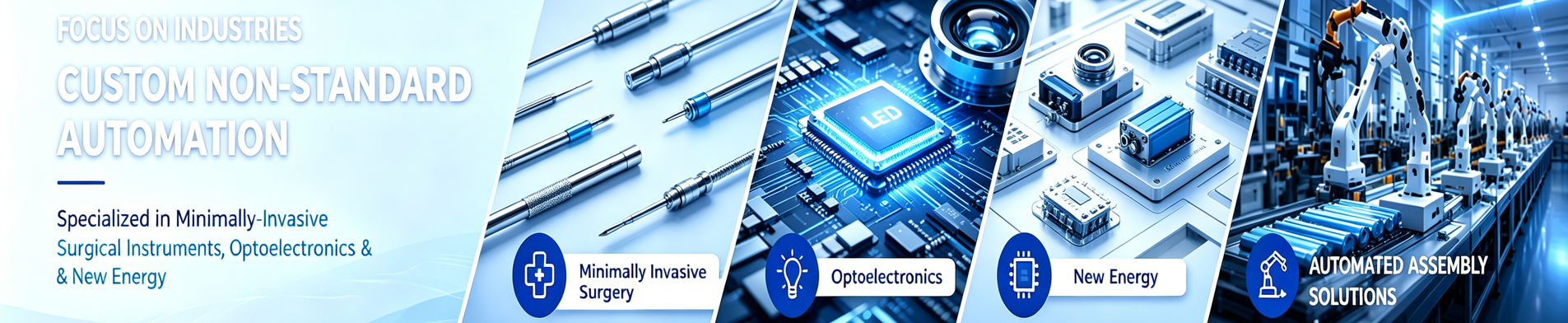

Specializing in the design of non-standard automated production lines. Proficient in OEE (Overall Equipment Effectiveness) optimization and phased automation implementation, ensuring the high-precision assembly of medical and lighting products without interrupting production.
In the production and packaging of ligation clips, quality inspection, labeling, and cartoning have long relied on manual operations. As capacity requirements and quality consistency demands keep rising, this fully manual process is becoming the biggest bottleneck holding production lines back.
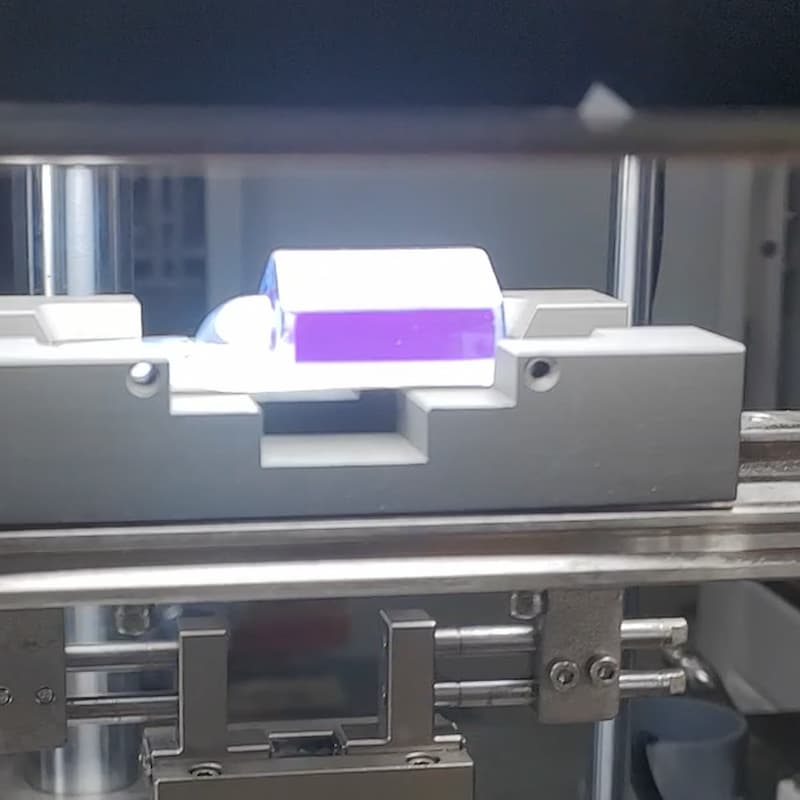
Under manual operation, pain points typically concentrate in three areas
First, inspection relies on the naked eye. Subtle issues such as surface defects and dimensional deviations are hard to catch consistently by manual inspection. Results vary with the operator's condition, batch-to-batch quality fluctuates, and the risk of missed defects is hard to eliminate.
Second, labeling is done by hand. Label position and orientation are unstable, which can affect the clarity of batch information and traceability codes. During peak periods, manual labeling speed falls behind and drags down the whole line.
Third, cartoning is entirely manual. Counting, arranging, and packing one clip at a time is slow and labor-intensive, and it is prone to quantity or specification errors that directly affect delivery schedules and customer experience.
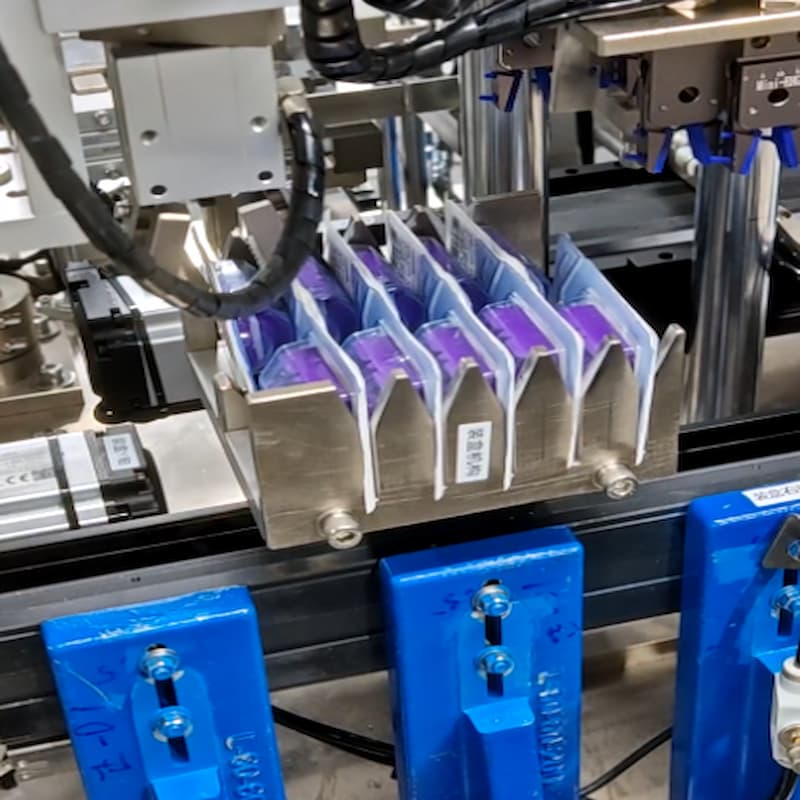
The solution is to consolidate inspection, labeling, and cartoning into one automated system.
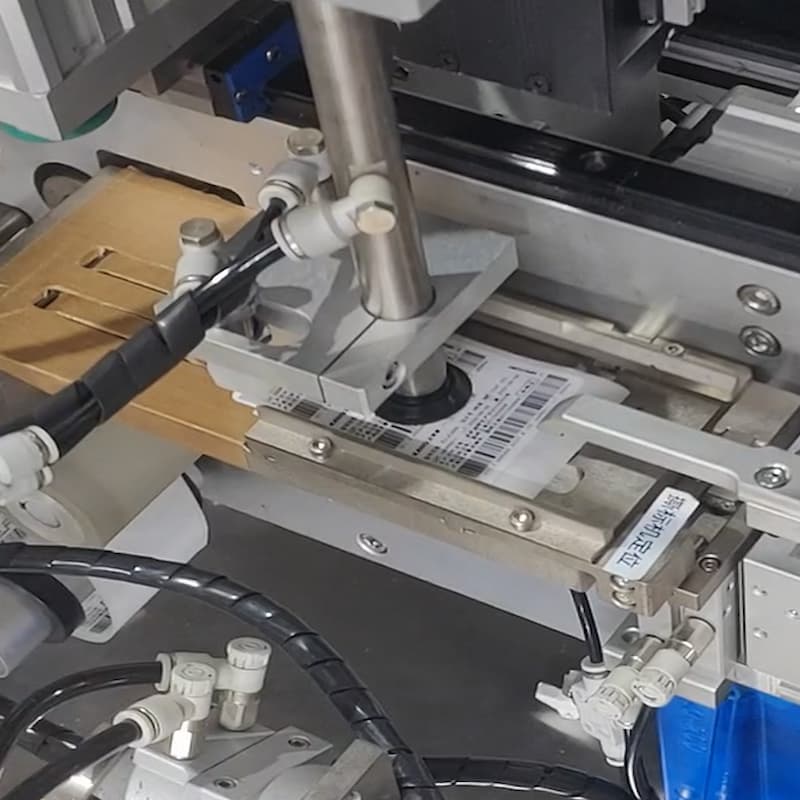
Synrit has launched a new all-in-one automatic inspection, labeling, and cartoning machine for ligation clips. It integrates visual inspection, automatic labeling, and automatic cartoning into a single unit for continuous, automated operation — a true upgrade for medical packaging lines.
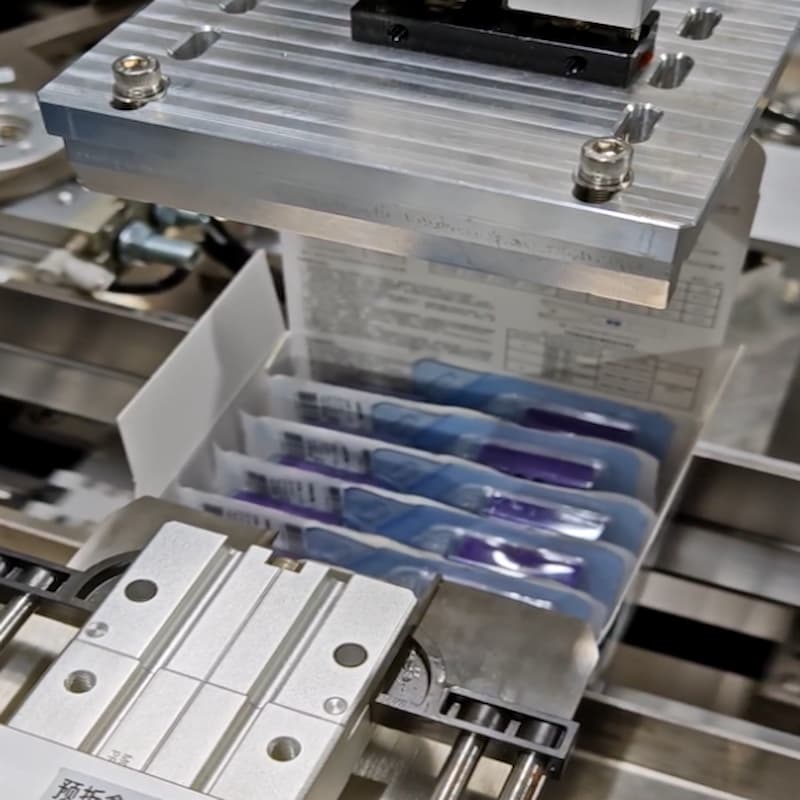
The integrated system helps manufacturers improve quality consistency while reducing the risk of missed defects and incorrect packing. Automated inspection and packaging can also support more stable production capacity, ease labor recruitment pressure, and reduce repetitive manual work and associated error costs.
By combining multiple operations in one system, manufacturers can establish more standardized, controllable, and traceable production processes. Actual performance depends on product specifications, inspection criteria, packaging format, and the required production rate.
The machine is ideal for batch production and packaging lines for ligation clips and other minimally invasive consumables. Whether you are building a new line or upgrading an existing packaging process, the solution can be customized to your capacity, floor space, and process requirements.
Before selecting an automatic ligation clip packaging machine, manufacturers should assess product dimensions, inspection requirements, labeling position, carton specifications, target output, and integration with existing equipment. These factors help determine the most suitable automation configuration.
Synrit specializes in the design and manufacturing of non-standard automation equipment, with deep expertise in automated assembly and packaging for minimally invasive consumables. We are committed to helping customers improve line efficiency and quality with reliable automation solutions.
For more equipment details, technical parameters, or production line automation upgrade plans, feel free to contact us — our team will provide a tailored solution based on your actual needs.



 IPv6 Network Supported
leave a message
Scan to Wechat/Whatsapp :